

 Skip to content
 5 Minutes
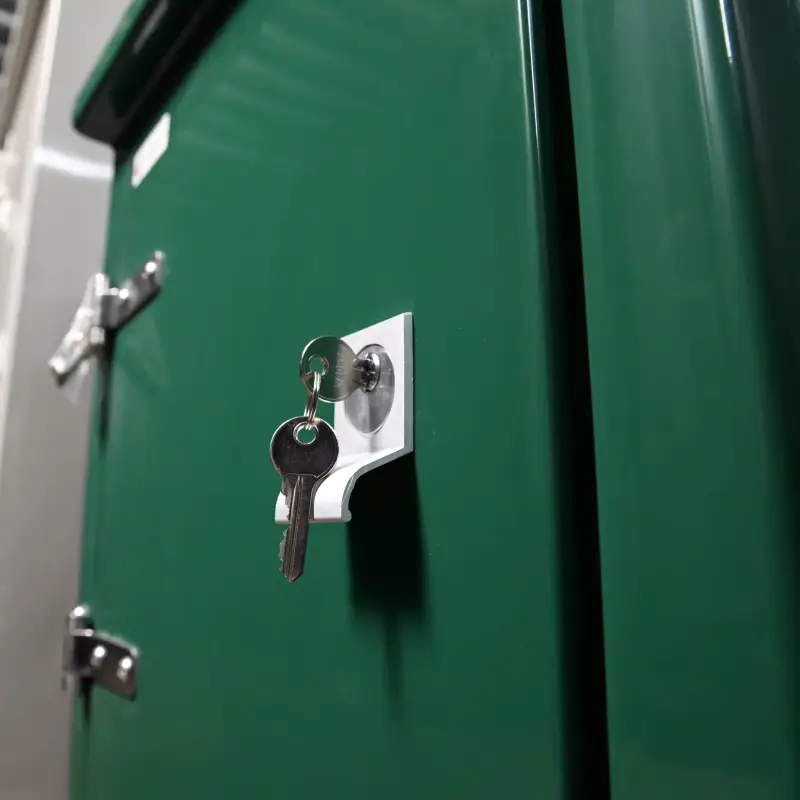
A well-made GRP enclosure can realistically last around 30 years when it is manufactured correctly, specified properly and installed on a suitable base or foundation.
That is one of the main reasons GRP enclosures are so widely used for outdoor electrical, utility and industrial applications. They are designed to protect important equipment from the elements, while offering a long service life with relatively low maintenance compared with many traditional materials.
In our experience, the lifespan of a GRP enclosure is not just about the product itself. The installation, location and base preparation all play a major role in how well the enclosure performs over time.
The biggest reason GRP enclosures can last for decades is corrosion resistance.
GRP, which stands for Glass Reinforced Plastic, does not rust in the same way that steel or other metals can. This makes it a strong option for environments where moisture, salt, chemicals or general weather exposure could cause other materials to deteriorate more quickly.
For outdoor electrical housings, kiosks, cabinets and enclosures, corrosion resistance is a major advantage. These products are often installed in exposed locations where rain, wind and changing temperatures are part of everyday use.
Because GRP is resistant to corrosion, it can continue protecting internal equipment for many years without the same level of surface breakdown you might expect from some metal alternatives.
Corrosion can be a serious problem for outdoor enclosures.
If an enclosure starts to rust or break down, it can affect more than just the appearance of the product. Over time, corrosion can compromise the structure, fixings, hinges, locks and overall protection offered to the equipment inside.
This is especially important when the enclosure is being used to house electrical components, utility equipment or sensitive infrastructure.
GRP helps reduce that risk because it is naturally suited to challenging outdoor environments. It does not rely on the same type of metal coating or paint system to prevent rust. That gives it a real advantage in areas where long-term durability is important.
One of the best examples of where GRP makes sense is in coastal environments.
We have experience with a GRP enclosure installed near the coastline of mainland UK. In locations like this, corrosion resistance becomes even more important because coastal air can be harsher on materials, especially where salt and moisture are present.
A metal enclosure in this type of environment may need more maintenance or protection over time. GRP, on the other hand, is well suited to these conditions because it is resistant to corrosion and can handle long-term exposure more effectively.
This does not mean every GRP enclosure will automatically last 30 years in every coastal location, but it does show why GRP is often chosen for sites where weather and corrosion are genuine concerns.
In my opinion, one of the biggest things that can shorten the lifespan of a GRP enclosure is poor installation.
Even if the enclosure itself is well made, a poor installation can create problems later. If the base is uneven, unstable or unsuitable, the enclosure may not sit correctly. This can lead to stress on the structure, alignment issues with doors, water ingress risks or unnecessary wear on fixings and access points.
A GRP enclosure is built to last, but it still needs to be installed correctly.
The product and the installation should work together. When one is done properly and the other is not, the long-term performance can suffer.
Correct base or foundation preparation is one of the most important steps if you want a GRP enclosure to reach its full lifespan.
The enclosure needs to sit on a stable, level and suitable base. This helps keep the structure supported and reduces the chance of movement, twisting or unnecessary pressure over time.
Good base preparation can help with:
This is why customers should think about the base before the enclosure arrives on site. A good product installed on a poor base is unlikely to perform as well as it should.
To help a GRP enclosure reach a lifespan of around 30 years, the most important thing is to make sure the installation is done properly from the beginning.
That starts with correct base and foundation preparation.
Before installation, customers should make sure the site is suitable and that the enclosure has been specified correctly for its intended use. The environment, size, access requirements and equipment being housed should all be considered.
A few sensible steps include:
GRP is a low-maintenance material, but no enclosure should be completely ignored for decades. Simple checks can help spot small issues before they become bigger problems.
A 30-year lifespan should be seen as a realistic expectation for a well-made and properly installed GRP enclosure, not a blanket guarantee for every situation.
The actual lifespan depends on several factors, including:
However, when GRP is used in the right way, it is a very strong choice for long-term outdoor protection.
One of the biggest reasons customers choose GRP over metal is the reduced risk of corrosion.
Metal enclosures can be strong, but in certain environments they may require more maintenance to protect against rust or surface degradation. GRP offers a different type of durability because it is corrosion resistant by nature.
For sites exposed to moisture, coastal air or harsh outdoor conditions, this can make GRP a more practical long-term option.
It is not always about choosing the cheapest enclosure upfront. It is about choosing the material that will protect the equipment properly and continue performing for years.
A GRP enclosure can last around 30 years when it is manufactured well, specified correctly and installed on a suitable base.
The main reason for this long lifespan is corrosion resistance. GRP does not rust like metal, which makes it particularly useful for outdoor, coastal and industrial environments where long-term protection is essential.
From our experience, the biggest factor that can reduce the lifespan of a GRP enclosure is poor installation. That is why correct base and foundation preparation matters so much.
If customers want the best long-term performance from a GRP enclosure, they should focus on getting the installation right from day one. With the right product and the right preparation, GRP can provide reliable protection for decades.
Powered by BetterDocs


